ABOUT LOGIC PROTOCOL
Founder-led development.
Grounded in real operations.
Software development informed by real-world operations. Based in Pensacola, Florida.
THE PERSON BEHIND THE WORK
Built by someone who
likes solving problems.
Logic Protocol is led by Landin Michael Petz. His background in industrial maintenance includes diagnosing equipment faults, coordinating contractors and installation work, training colleagues, and working with maintenance systems such as Maximo.
That experience brings an operational perspective to software: understand the workflow, identify dependencies, make responsibilities clear, and consider what happens when something fails. A solution needs to be usable and maintainable after the initial build.
Guardian grew directly from Landin’s experience on a workplace emergency response team. Responding to real incidents showed him a need for clearer access to emergency information and better coordination of people, equipment, and responsibilities. He took that firsthand need and began developing the solution himself: defining Guardian’s requirements, shaping its emergency-response and lockout/tagout workflows, and building toward a working product. A separate offline prototype demonstrates fictional response scenarios; the full platform remains in development. It reflects the principle behind Logic Protocol: recognize a practical problem, take ownership of it, and build a useful solution.
Today, that practical approach informs original software products, AI assistants, prototypes, and website development. Scope, technical limits, and development stages are stated plainly so customers can make informed decisions.
See the development portfolio →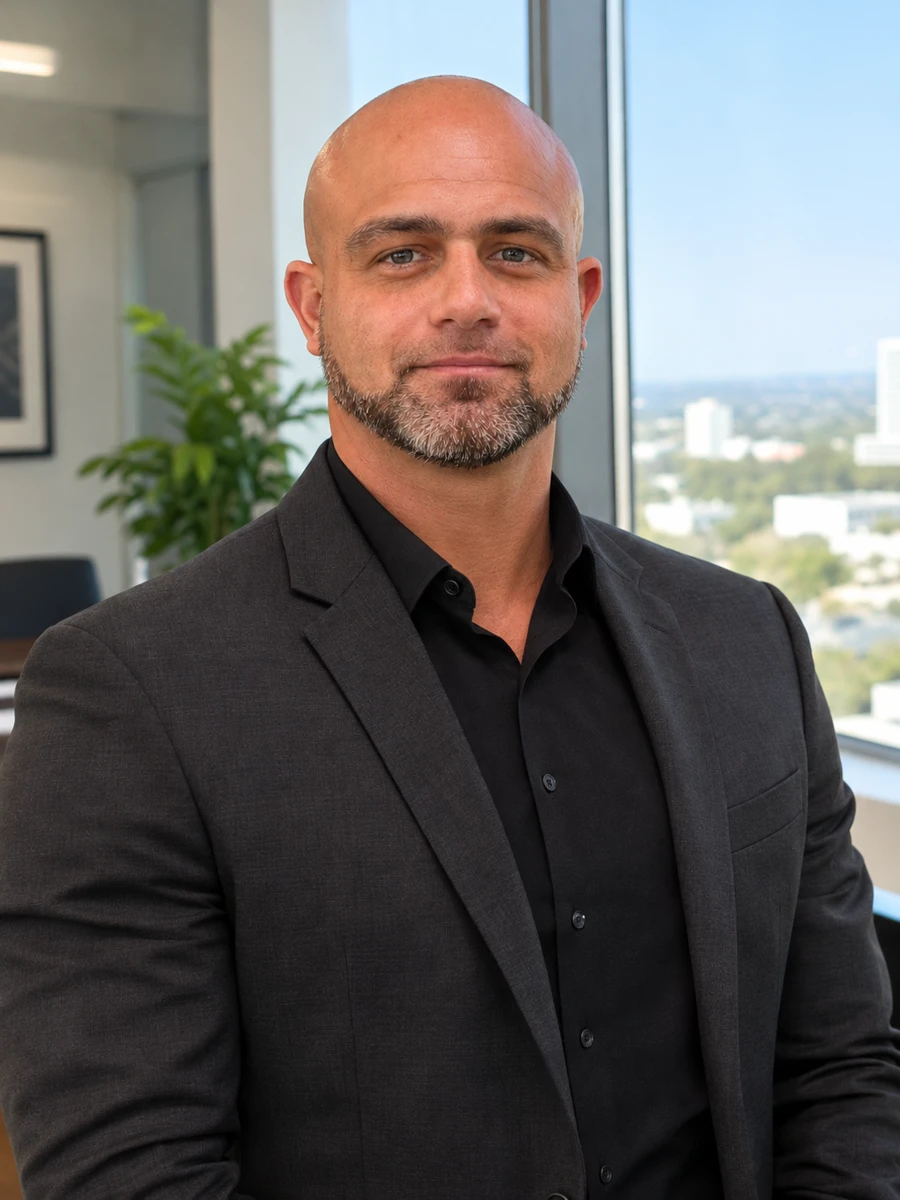
HOW WE WORK
A clear path from problem to progress.
- 01
Understand
Start with your problem, the people involved, and the result you need.
- 02
Evaluate
Review existing tools and constraints before recommending replacement.
- 03
Design & integrate
Choose practical, maintainable solutions and appropriate technology.
- 04
Test & improve
Verify the agreed work, address defects, and define the support needed next.
LET’S BUILD SOMETHING USEFUL
Have a problem worth solving?
Start with what you need. We’ll work toward a practical next step.